
Property Video Shoot Checklist: What to Tell Your Vendor Before Shoot Day
Updated: Aug 28
Send your vendor a specific, room-by-room property video shoot checklist at least 48 hours before the crew arrives: what to clear, what to switch on, and what to move out of sight. That one step removes the most common causes of wasted time on a North London shoot day: cluttered worktops, broken bulbs, cars blocking the driveway, and a vendor who had no idea the crew was arriving with a gimbal and a drone case. Most property videos that disappoint don’t fail because of the equipment. They fail because nobody told the vendor what to expect.

Why preparing the vendor is the agent’s responsibility
The vendor assumes you have it covered. You assume they know what to do. Neither is true, and the gap shows up in the footage. Vendors are focused on the sale, not on what a wide-angle lens picks up in a kitchen corner. That is fine. They are not supposed to know. But the agent who booked the shoot has the relationship, the most to lose from a poor result, and the best chance of making it run smoothly. One email and a two-minute call the day before changes the outcome entirely.
Split shoot day into two clear lists: what the agent handles (logistics) and what the vendor handles (the property). When both sides know their lane, nothing falls through.
The shoot day checklist, room by room
Send this to your vendor at least 48 hours in advance. Not the morning of. They need time to act on it, especially if the property is currently occupied and lived-in.
Kitchen
Clear worktops completely. Leave one appliance (coffee machine or kettle) as a focal point, nothing else
Put away the drying rack, bin, cleaning products, and anything under the sink that might be visible
Wipe the hob, sink, and counter surfaces
Remove fridge magnets, children’s drawings, and medicine boxes from sight
Open the blind or curtain fully to maximise natural light
Living room
Remove excess cushions and throws (one or two, neatly arranged, is enough)
Straighten all artwork, mirrors, and blinds
Hide remote controls, cables, and chargers behind or under furniture
Clear the coffee table of everything except one small plant or book
Switch off the TV, computer screens, and any standby lights
Bedrooms
Use the best-quality linen and make the bed tightly. A neatly dressed bed is one of the highest-value shots in a residential video
Clear bedside tables to a lamp and one item maximum
Put all clothing, shoes, and bags fully out of sight (not just pushed to the side of the room)
Remove laundry from radiators and clothes from any visible hooks
Bathrooms
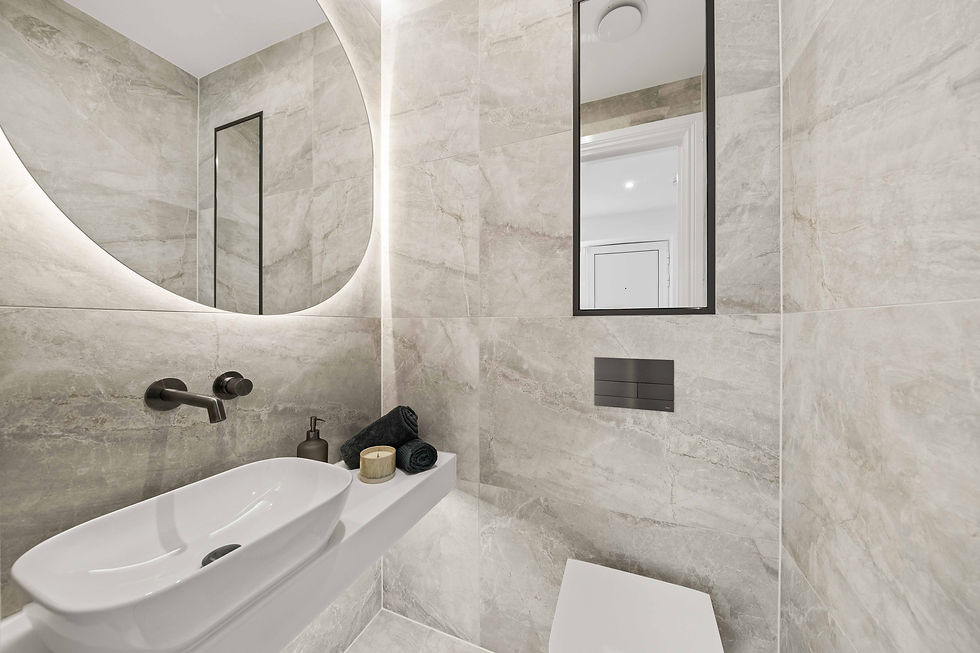
Remove all personal items from surfaces: toothbrushes, razors, bottles, and soaps
Put out one set of clean, matching towels, neatly hung or folded
Clean the basin, mirror, shower screen, and toilet
Remove the bin, bath mat, and toilet brush if the room is small (they shrink the space on camera)
Exterior and garden
Move all bins, recycling boxes, and cars away from the frontage before the crew arrives
Sweep the path and clean the front door
Mow the lawn and trim borders if the garden is being filmed
Position garden furniture where it looks best, not pushed to the edges
Put away hosepipes, tools, and garden equipment
What to send your vendor the day before
A message the night before does two things: it confirms the shoot is happening and it prompts a final run-through of the checklist. Keep it brief and specific so it doesn’t feel like homework.
A useful format: “Just a reminder the video crew arrives at [time] tomorrow. Parking is [location]. If you can run through the checklist I sent (especially clearing worktops and moving the cars from the front) that’ll give us the best result on the day. Any questions, call me direct on [number].” That is it. No lengthy explanation needed.
On the morning of the shoot, a short text confirming the crew is on their way is enough. If the vendor knows the crew’s ETA, they can do a final tidy of the exterior right before arrival rather than hours earlier.
How long should each part of the shoot take?
Knowing the rough timings helps you set the vendor’s expectations and book the right slot in the day. Natural light is the biggest variable in North London: a south-facing kitchen should be shot in the morning, a west-facing garden in the afternoon. A good crew will factor this in when they plan the day.
A typical three-bed in Islington or Crouch End runs 2 to 3 hours on site for a combined video and photography shoot. A larger property in Highgate or Muswell Hill with a substantial garden and more rooms will take longer. For a full cost and package breakdown, see our North London property videography pricing guide.
What if the vendor hasn’t prepared by the time the crew arrives?
It happens. The best crews carry a small kit for exactly this reason: a folded neutral throw for beds, clear bags for surface clutter, and a spare lightbulb or two. A 15-minute tidy on arrival can rescue most situations.
The harder call is when the property is genuinely not ready: a kitchen full of washing up, a garden that hasn’t been touched, personal items everywhere. Pushing through and editing around the mess costs more in post-production time and still produces a weaker result. A short reschedule, painful as it feels on the day, is nearly always the better outcome for the vendor and for the listing.
The cleanest way to avoid this entirely: make vendor preparation part of your booking confirmation process, not an afterthought. A standard checklist sent at the point of booking takes the same effort whether the shoot is next week or next month.
Frequently asked questions
How long does a property video shoot take in North London?
A standard residential shoot for a two or three-bedroom property runs 1.5 to 2.5 hours. Add 30 to 45 minutes if drone footage is included. Larger properties with more rooms, a substantial garden, or a basement and roof terrace can run to half a day. Confirming access, parking, and preparation in advance keeps the schedule tight.
Should the vendor be home during the shoot?
Ideally not, but if they are, brief them in advance to stay out of frame and let the crew move through each room without interruption. A vendor hovering in the background adds time to every room. If they cannot leave, ask them to remain in one room while the crew works through the rest.
Does decluttering really make a difference to the final video?
Yes, more than most vendors expect. A camera at eye level with a wide lens exaggerates clutter. One misplaced laundry basket or a full dish rack makes a kitchen read as smaller and busier than it is. The same space with clear worktops and open blinds looks noticeably larger on screen. It is the single highest-return action the vendor can take before a shoot.
What if the weather is bad on shoot day?
Interior shooting is unaffected by rain. For exterior and drone footage, cloudy days are often preferable to harsh midday sun. Drone flights are grounded in high wind, low visibility, or rain. If the forecast is poor, discuss the options with your crew in advance. A split shoot (interiors first, exterior rescheduled) is often the most practical solution and avoids delaying the whole listing.
Can I share this checklist directly with my vendor?
Yes. This article exists specifically for that purpose. You can send your vendor the link or copy the checklist section into your confirmation email. If you would like a version with RadCreator’s branding to use as a standard client document, get in touch and we will send one over.
How far in advance should I book a property video shoot in North London?
A minimum of five to seven working days gives the crew time to plan around your property’s light, check airspace (for drone work), and ensure the right equipment is available. Shorter lead times are sometimes possible, but rush bookings on high-demand days may carry a premium. For developer launches or larger properties requiring a full-day shoot, two to three weeks is safer.
Related reading
Drone vs premium photography Which one your listing actually needs.
Rightmove and Zoopla photo and video specs How many photos to upload and why video embeds fail.
Who owns property photos? Copyright rules every UK estate agent should know.


Comments